1. Why Local Landing Pages Matter
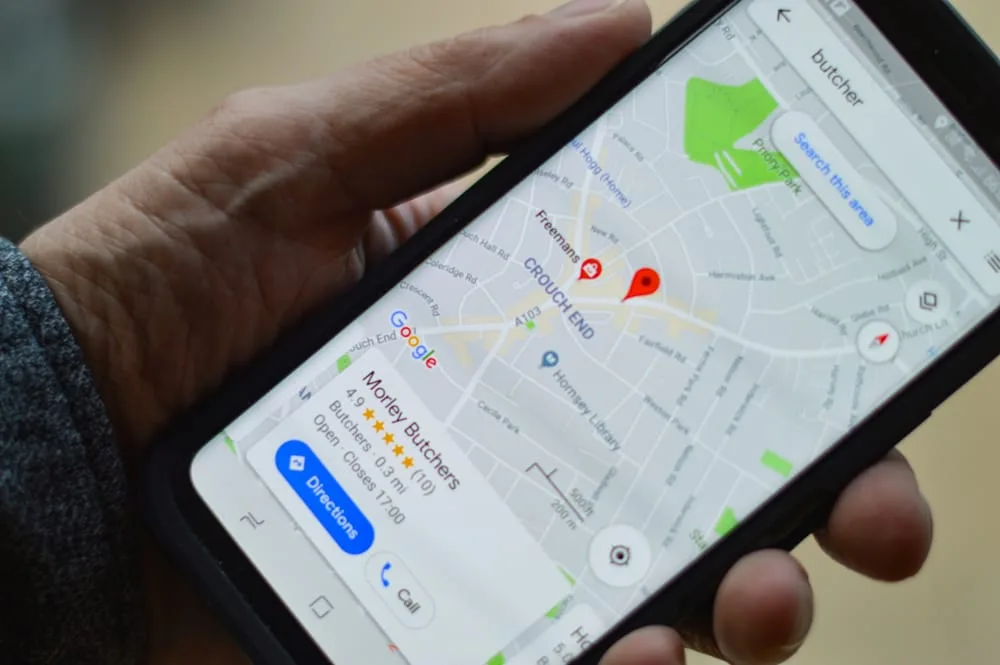
Local landing pages are powerful tools that speak directly to your audience—whether a plumber in Bradford or a café in Bristol. Tailored pages with location-specific copy and keywords boost rankings for “near me” searches and significantly increase conversion rates by addressing your local customer’s needs.
2. Choose Clear, Unique URLs & Page Titles
Each page should have a clean, descriptive URL (e.g. /london-web-design-services) and a title containing the service + location.
Example:
Title: Professional Web Design in London – Fast, Affordable, Local
This tells both users and search engines exactly what to expect.
3. Strong, Geo-Focused Headlines
Start with a powerful H1 like:
“Local Web Design & SEO in [Location]”
Add modifiers when needed, especially for towns with similar names.
4. Tailored, Localised Content
Mention local areas, landmarks, and postcodes. Quote testimonials that reference neighbourhoods. These details make your page more relevant to both users and local search algorithms.
5. Clear, Actionable CTAs
Use direct, location-specific calls to action:
- “Get Your Free Quote in Manchester”
- “Book Your Salisbury SEO Audit Today”
Place CTAs in key positions: the hero section, mid-page, and near the end.
6. Trust Signals & Local Social Proof
Add trust-building content like:
- Local client reviews
- Regional business certifications
- Case studies or logos of nearby customers
- These build credibility and encourage action.
7. Mobile-First & Fast Loading
Make sure your landing pages are mobile-friendly and quick to load. Compress images, streamline layouts, and remove unnecessary code or plugins that slow things down.
8. Message & Design Matching
If you’re using ads or social media to drive traffic, make sure the tone, images, and offer match exactly what the user clicked on. This reduces bounce rates and boosts conversions.
9. Local Business Schema & Metadata
Use structured data (schema markup) to help Google and AI systems understand your page:
- Add LocalBusiness schema
- Include address, contact info, and business hours
- Use clear meta titles and descriptions with local keywords
10. Internal Links & Consistency
Link your landing pages from your navigation, homepage, or related blog posts. It helps search engines find the pages and boosts their authority.
11. A/B Test & Monitor
Use tools like Google Optimize or Hotjar to test headlines, images, CTAs, and layouts. Data-driven tweaks can lead to big gains over time.
✅ Suggested Image Search for Unsplash
To find the perfect featured image, try searching for:
- uk small business storefront
- local uk shop interior
- flatlay office desk uk business
- creative agency uk workspace
- seo marketing local
Pick something bright, modern, and relevant to your target audience.
TL;DR – Quick Recap
| Step | What to Do |
|---|---|
| 1 | Craft geo‑targeted URLs and titles |
| 2 | Write localised content with postcode/landmarks |
| 3 | Add trust elements (reviews, case studies) |
| 4 | Ensure pages are fast, mobile‑optimized |
| 5 | Use schema and metadata with local keywords |
| 6 | A/B test headlines, CTAs, imagery |
Table of contents
- 1. Why Local Landing Pages Matter
- 2. Choose Clear, Unique URLs & Page Titles
- 3. Strong, Geo-Focused Headlines
- 4. Tailored, Localised Content
- 5. Clear, Actionable CTAs
- 6. Trust Signals & Local Social Proof
- 7. Mobile-First & Fast Loading
- 8. Message & Design Matching
- 9. Local Business Schema & Metadata
- 10. Internal Links & Consistency
- ✅ Suggested Image Search for Unsplash
- TL;DR – Quick Recap